The Benefits of Meal Prepping for Different Lifestyles and Personalities
- Travis Schamerhorn
- 4 days ago
- 5 min read

Meal prepping has become a popular way to save time, reduce stress, and maintain a healthy diet. But is it a good idea for you? The answer depends on your lifestyle, personality, and daily habits. This post explores how meal prepping works well for certain individuals and offers practical insights to help you decide if it fits your routine.

What Is Meal Prepping and Why Do People Do It?
Meal prepping means preparing meals or meal components in advance, usually for several days or a week. It can involve cooking full meals, chopping vegetables, or portioning snacks ahead of time. People meal prep for various reasons:
Save time during busy weekdays
Avoid unhealthy last-minute food choices
Control portion sizes and nutrition
Reduce food waste and grocery costs
Simplify grocery shopping and cooking routines
Understanding why you want to meal prep helps you choose the right approach and stay motivated.
Who Benefits Most from Meal Prepping?
Meal prepping suits different lifestyles and personalities, but it works best for some more than others. Here are key traits and situations where meal prepping shines:
Busy Professionals and Parents
If your days are packed with work, errands, or family duties, meal prepping can free up valuable time. Cooking once or twice a week means fewer daily decisions about what to eat and less time spent in the kitchen. For parents, it also means having healthy meals ready for kids without last-minute scrambling.
People Focused on Health and Fitness
Those who want to control their diet for weight management, muscle gain, or overall wellness find meal prepping helpful. It allows precise portion control and balanced meals with the right mix of protein, carbs, and fats. Meal prepping also reduces the temptation to order takeout or snack on unhealthy foods.
Individuals Who Enjoy Routine and Planning
Meal prepping appeals to people who like structure and planning ahead. If you enjoy organizing your week and find comfort in routine, prepping meals can fit naturally into your lifestyle. It can also reduce decision fatigue by removing daily meal choices.
Those Who Want to Save Money and Reduce Waste
Meal prepping helps cut down on food waste by using ingredients efficiently and planning meals around what you already have. It also reduces impulse purchases and dining out expenses. If saving money and minimizing waste are priorities, meal prepping supports these goals.
Do you have time to prepare all of your own meals?
Benefits of Purchasing Prepped Meals from Local Vendors
Purchasing prepped meals from local vendors can offer numerous advantages. Here are some compelling reasons to consider:
Support Local Economy: Buying from local vendors helps stimulate the local economy, ensuring that your money stays within the community.
Fresh Ingredients: Local vendors often use fresh, seasonal ingredients that can enhance the flavor and nutritional value of meals.
Time-Saving: Prepped meals save you time on grocery shopping, cooking, and cleanup, allowing you to focus on other important activities.
Variety of Options: Local vendors may offer a diverse range of meal options, catering to various dietary preferences and restrictions.
Less Packaging Waste: Local vendors may use less packaging compared to larger food companies, contributing to a more sustainable lifestyle.
Community Connection: Engaging with local vendors can foster a sense of community and connection, enhancing your overall dining experience.
Considerations for Meal Prepping
While purchasing prepped meals can be beneficial, it's important to consider your individual needs:
Dietary Needs: Ensure that the meals cater to your specific dietary requirements, such as allergies or preferences.
Budget: Evaluate whether the cost of prepped meals fits within your budget compared to cooking at home.
Convenience: Think about how easily you can incorporate prepped meals into your daily routine.
In conclusion, purchasing prepped meals from local vendors can be a great idea for many individuals, offering convenience, quality, and community support. Assess your personal circumstances to determine if this option aligns with your lifestyle.
When Meal Prepping Might Not Work Well
Meal prepping is not for everyone. Some people find it stressful or restrictive. Here are situations where meal prepping might not be ideal:
You prefer spontaneous eating or trying new foods daily
You don't have time to prepare meals in advance
You have an unpredictable schedule that makes planning difficult
Cooking in bulk feels overwhelming or boring
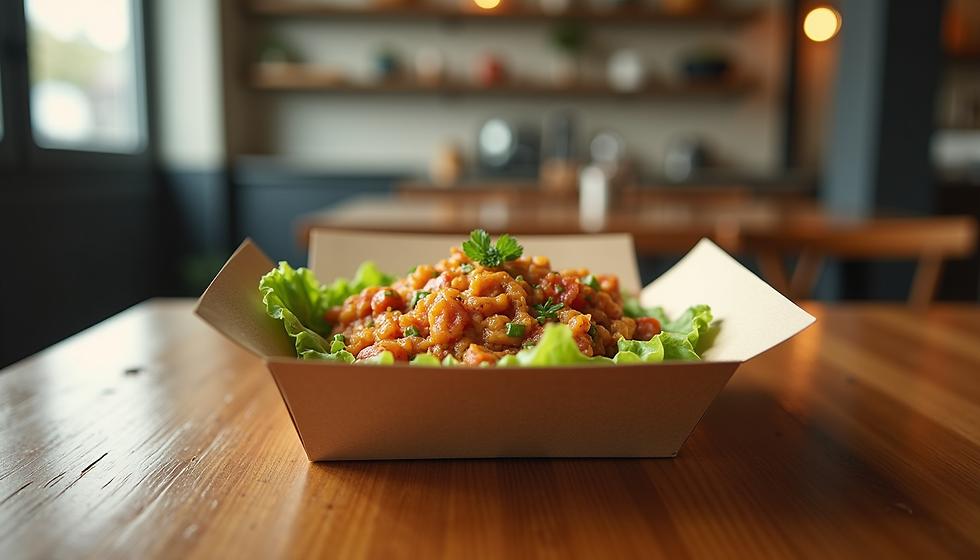
If any of these apply, consider integrating purchased prep meals from your local vendor. Get the benefits of prepped meals while allowing the professionals to do the cooking.
How Different Personalities Approach Meal Prepping
Personality influences how you plan, cook, and stick to meal prepping. Here’s how different types might approach it:
The Planner
This personality thrives on schedules and lists. They enjoy creating detailed meal plans, shopping lists, and cooking batches of meals on weekends. For planners, meal prepping is a satisfying way to organize their week and reduce stress.
The Creative Cook
Creative cooks like variety and experimenting with recipes. They might meal prep ingredients rather than full meals, allowing them to mix and match dishes throughout the week. This approach keeps meals interesting without sacrificing convenience.
The Minimalist
Minimalists prefer simplicity and efficiency. They might prepare just a few staple meals or focus on easy-to-assemble ingredients like pre-chopped veggies and cooked grains. Minimalist meal prepping reduces clutter and saves time.
The Spontaneous Eater
Spontaneous eaters enjoy flexibility and trying new foods on a whim. They might find traditional meal prepping too rigid. Instead, they could benefit from partial prepping, such as washing and chopping vegetables or cooking proteins in advance, leaving room for last-minute creativity.
Practical Tips to Make Meal Prepping Work for You
If you decide to try meal prepping, these tips can help you succeed:
Start small: Prep or purchase prepped food for just a few days or one meal type (like lunches)
Choose recipes you enjoy and that store well
Use containers that fit your lifestyle (microwave-safe, portioned)
Schedule a specific time for prepping or ordering prepped items to build a habit
Label containers with dates and contents to stay organized
Keep a variety of spices and sauces to change flavors easily
Examples of Meal Prepping for Different Lifestyles
For the Busy Professional
Prepare grilled chicken, roasted vegetables, and quinoa in bulk
Portion into containers for grab-and-go lunches
Use a slow cooker for overnight meals ready in the morning
For the Fitness Enthusiast
Cook lean proteins like turkey or tofu in advance
Pre-portion complex carbs such as brown rice or sweet potatoes
Chop fresh veggies for salads or stir-fries
For the Family
Make large batches of soups or casseroles
Freeze individual portions for quick reheating
Involve kids in prepping simple snacks like fruit cups or trail mix
For the Creative Cook
Prep a variety of sauces and dressings
Cook grains and proteins separately to combine in different ways
Keep fresh herbs and toppings ready to customize meals
How to Overcome Common Meal Prepping Challenges
Many people start meal prepping but struggle to keep it up. Here’s how to handle common issues:
Boredom: Rotate recipes weekly and try new cuisines
Time constraints: Prep ingredients instead of full meals or split prepping into two shorter sessions
Storage space: Use stackable containers and freeze meals to save fridge room
Lack of motivation: Set clear goals and remind yourself of the benefits
Final Thoughts on Meal Prepping and You
Meal prepping offers clear benefits for many people, especially those with busy schedules, health goals, or a love of planning. It can save time, reduce stress, and support better eating habits. But it’s not a one-size-fits-all solution. Your personality, lifestyle, and preferences matter most.
Try different approaches and find what fits your life. Whether you prep full meals, ingredients, or just snacks, the goal is to make your daily eating easier and more enjoyable. Start small, stay flexible, and let meal prepping support your unique needs.
If you want to improve your eating habits and save time, meal prepping is worth exploring. Begin with a simple plan this week and see how it changes your routine.
Comments